Enhance your software testing strategies with AI to automate tasks, improve QA, and speed up time to market. Discover the synergy of software testing and artificial intelligence.

In the ever-evolving world of technology, artificial intelligence (AI) is making waves across various industries. One area where AI is particularly transformative is software testing. If you've been pondering how to improve your software testing strategies, integrating AI could be the answer. Let's explore how AI can revolutionise your approach to quality assurance (QA) and testing automation.
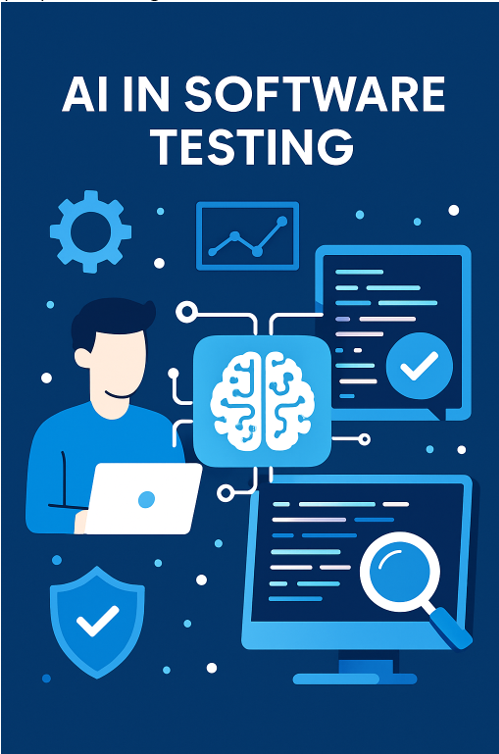
AI, at its core, is about enabling machines to mimic human intelligence. In software testing, AI can automate repetitive tasks, predict potential problem areas, and ensure comprehensive testing coverage. By doing so, it helps teams find bugs faster and improve the overall quality of software products.
Why AI Matters in QA
Quality assurance (QA) is crucial in software development. It ensures that the final product is free of defects and meets user expectations. However, traditional QA methods can be time-consuming and prone to human error. This is where AI steps in.
AI enhances QA by:
· Reducing Manual Efforts: AI can automate repetitive testing tasks, allowing testers tofocus on more complex scenarios.
· Increasing Accuracy: Machines can process large volumes of data, making fewer mistakes [MB1], and leading to more accurate test results.
· Improving Test Coverage: AI algorithms can analyse vast amounts of data to identify areas that need more testing, ensuring no part of the software is left unchecked.
How AI Integrates with Software Testing
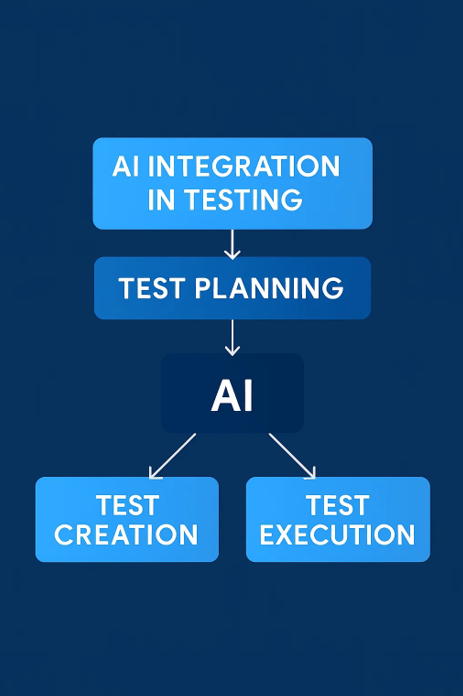
Integrating AI into software testing involves a few key steps. First, it's essential to understand the testing process and identify areas where AI can add value. Next, you'll need to select the right AI tools and technologies. Finally, you'll integrate these tools into your existing testing framework.
AI tools can assist in various testing phases, from test creation and execution to defect detection and reporting. They can learn from past test executions to optimise future testing efforts, making the entire process more efficient and effective.